

 english@jwbeauty.net
 Whatsapp
What is Nipple/Areola Surgery at JW Plastic Surgery?
The nipple and areola are essential elements in completing a beautiful and natural-looking breast. They are not only important for aesthetics but also have functional and physiological significance.
When the nipple is inverted, inverted nipple correction surgery is needed.
If the nipple is enlarged or stretched, nipple reduction surgery is required.
For overly large areolas, areola reduction surgery is performed.

Surgery Time
Nipple surgery: 30-50 minutes
Areola reduction: 1-2 hours

Anesthesia Method
Local or sedation anesthesia

Other Procedures
Can be performed simultaneously with other surgeries

Hospitalization
Same-day discharge

Recovery Period
1 day
Recommended Candidates for Nipple/Areola Reconstructive Surgery
CASE 01
When inverted nipples cause aesthetic concerns
CASE 02
When inflammation frequently recurs due to inverted nipples
CASE 03
When breastfeeding is not possible because of severe nipple inversion
CASE 04
When the nipple is enlarged or stretched
CASE 05
When the areola is disproportionately large compared to the breast size
JW Plastic Surgery’s Inverted Nipple Correction
An inverted nipple refers to a condition where the nipple does not protrude outwards compared to the surrounding areola and tissue, appearing flat or sunken inward into the breast. It exists in about 3% of Korean women and is often a congenital condition with hereditary tendencies.
The main cause is insufficient supporting tissue beneath the nipple,
along with shorter milk ducts and tight fibrous tissue surrounding the ducts that pull the nipple inward and prevent protrusion.
Inverted nipples are not aesthetically pleasing and make it difficult for secretions to pass, which can lead to frequent inflammation and interfere with breastfeeding and sexual sensation. Therefore, correction of inverted nipples is an important and necessary procedure.
Surgical Methods
When the nipple sometimes retracts, or repeatedly moves in and out, or yet is always inverted, the surgical method varies depending on the degree of inversion. It is also categorized into lactation-preserving methods (which allow breastfeeding after surgery) and non–lactation-preserving methods (when breastfeeding will not be possible).
Lactation-Preserving Methods
Suturing Method (Mild Inversion)
For mild cases, a small incision is made around the nipple, and the procedure is performed similarly to the double suture technique.
Triangular Incision Method (Moderate Inversion)
For moderate cases, the nipple is lifted, and tissue is inserted beneath it to support the nipple and prevent retraction.
Non-Lactation-Preserving Method
Brodbent-Woolf Method
Used for patients who have had recurrence after previous surgery or for those with severe nipple inversion.
JW Plastic Surgery: Nipple Reduction Surgery
Normally, the nipple is about 1 cm in diameter and 7 mm in height. In some cases, the nipple may be too large or elongated,
making it look aesthetically unbalanced and out of harmony with the overall breast shape. This condition is called nipple hypertrophy.
While it does not affect nipple function, many patients choose surgery for cosmetic reasons.
Nipple enlargement is often caused by breastfeeding or postpartum changes,
though some individuals may have naturally larger nipples. The surgery involves removing excess nipple tissue and reconstructing the shape using a simple technique. There is minimal risk of scarring or side effects, and patients can return to daily activities right after surgery.
Surgical Methods
There are two techniques:
the lactation-preserving method, which maintains the milk ducts during surgery,
and the non-lactation-preserving method, which removes partially the milk ducts.
Lactation-Preserving Method
This method is mainly used when the nipple is elongated.
A small amount of skin and tissue beside the nipple is removed while preserving the milk ducts, making breastfeeding possible after surgery.
Non-Lactation-Preserving Method
- The top portion of the nipple is cut in a V-shape and then reshaped,
effectively reducing nipple size and creating a natural nipple contour. - Since a section of the milk ducts is removed and significantly shortened, breastfeeding may become difficult. This method is recommended for those who have already stopped breastfeeding or do not plan to breastfeed in the future.
01
RECOMMEND
A breast surgery clinic recommended by other medical professionals
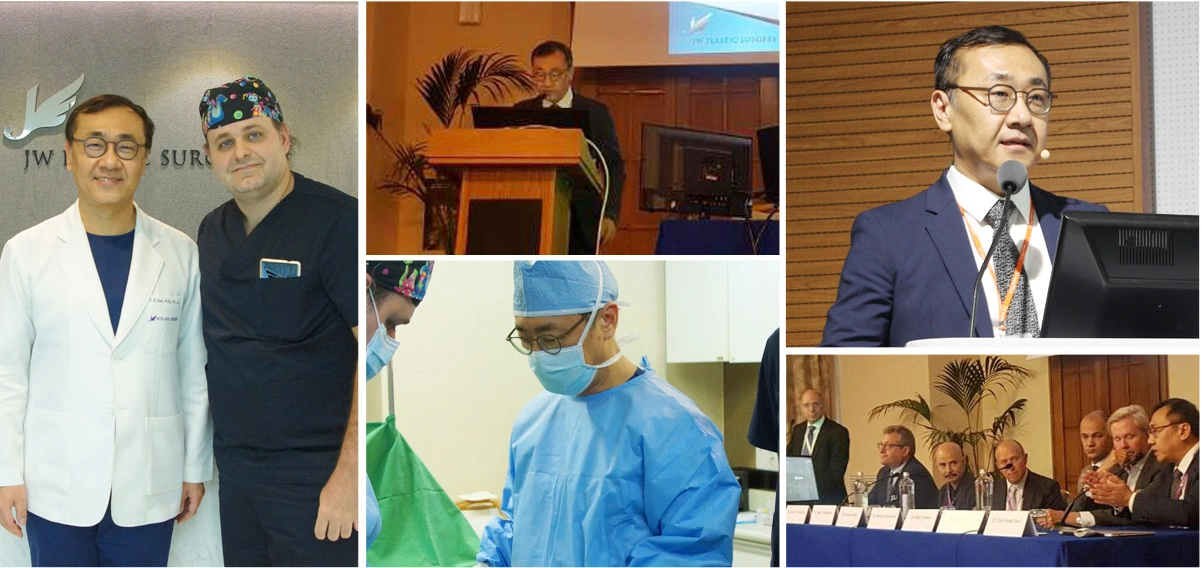
- Over 21 years of experience and expertise
- Continuous research in breast surgery through academic conferences and publications
- Authority in 4K UHD endoscopic breast surgery
- High percentage of revision surgery patients
- 1:1 personalized care system to prevent the need for secondary revision surgeries
02
ONE-STOP
ONE-STOP Preoperative Breast Surgery Examination
Preoperative tests to check the patient’s overall health condition (blood test, EKG, and chest X-ray) can be conveniently performed in-house without the need to visit an external clinic or hospital.
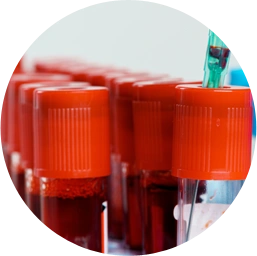
Blood test

Electrocardiogram (ECG)
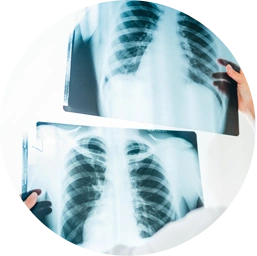
Chest X-ray
03
SAFETY SYSTEM
Surgical Safety Management System
01
Infection prevention through a thorough sterilization system
The clinic is equipped with air showers, sterilization and disinfection systems, HEPA filters, and a laminar airflow setup (air purification system meeting high-risk surgical standards)
02
Real-time patient monitoring system
During surgery we continuously monitor the ECG, the blood pressure, pulse, oxygen saturation, carbon dioxide levels, as well as the body temperature during anesthesia
03
Comprehensive preparation for emergencies
Equipped with an uninterruptible power supply (UPS) and fire-resistant structure throughout the hospital
04
Prepared for any emergency situation
Emergency treatment system equipped with a defibrillator and emergency rescue equipment.
05
Emergency Response System
Various implants available, including Motiva, Mentor, and Sebbin are selected according to each individual’s breast characteristics and personal preferences.
06
Wide range of clinically proven implants
Our in-house anesthesiologist provides care from the beginning of surgery through recovery, with safety equipment in place to respond immediately to emergencies and ensure effective postoperative pain management.
 English
  Chinese
  Russian
  Japanese