

 english@jwbeauty.net
 Whatsapp
JW
JW plastic surgery’s Breast Reconstruction Surgery
This is a procedure to recreate one or both breasts that have been removed after a breast cancer surgery. Until recently, breast reconstruction surgery was performed almost exclusively in university hospitals, while private clinics performed only a limited number of cases using simple implant-based methods.
In particular, the autologous tissue reconstruction is a highly complex procedure that requires extensive experience and skill. As aresult, most patients had to endure various inconveniences and could receive surgery only in large university hospitals.
JW Plastic Surgery’s Director Seul Chul Hwan
forner professor at Yonsei University College of Medicine and plastic surgeon at Severance Hospital, has developed extensive experience in breast reconstruction surgeries.
Based on his expertise, he now offers advanced reconstruction procedures in a comfortable and convenient setting of a private clinic.
Breast Reconstruction Surgery is recommended for:
01
|
When one or both breasts have been completely removed after breast cancer surgery
02
|
When partial mastectomy causes breast asymmetry
03
|
When an injury or infection results in the loss of a breast
04
|
When there is a congenital absence of a breast due to a birth defect
Breast Reconstruction Surgery: Methods Based on the Condition
There are two main methods for reconstructing the breast mound; one is using autologous tissue, and another is using a breast implant. After the breast mound is created/recreated, the nipple is reconstructed several months later, then tattooed to match the color of the other nipple.
1
Autologous Tissue
Breast Reconstruction
This method involves transferring tissue (skin, fat, and muscle) from areas such as the lower abdomen, the back, or buttocks up to the chest to create a new breast. As it uses the patient’s own tissue, the result feels more natural and leaves no foreign body sensation.
In cases where autologous tissue is used, two horizontal scars typically remain across the breast.
However, at JW Plastic Surgery, one of scars is hidden beneath the breast, providing an aesthetically ideal result.
Breast reconstruction using a rectus abdominis flap (abdominal tissue)
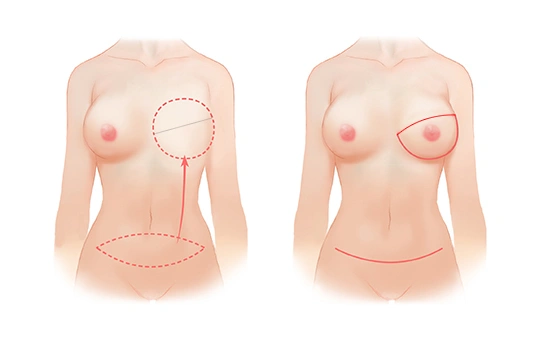
- While removing loose lower abdominal fat, the skin and tissue connected to blood vessels are transferred to the chest area to reconstruct the breast, a two-in-one procedure that both shaped the abdomen and restores the breast.
- This is the most performed method among autologous tissue breast reconstruction surgeries.
Breast reconstruction using a latissimus dorsi flap (dorsal region)
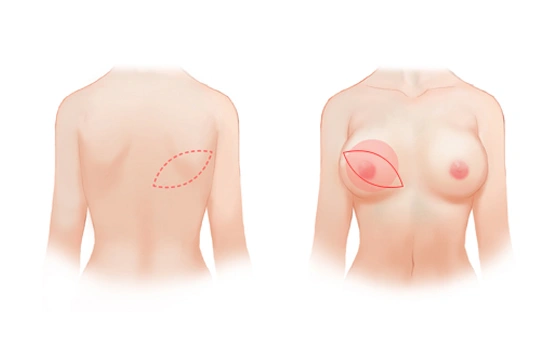
- A method that transfers the skin, fat, and muscle from the back to the chest to reconstruct the breast.
- If the harvested tissue is too thin, an implant may be used together to achieve the desired volume.
Breast reconstruction using autologous fat grafting
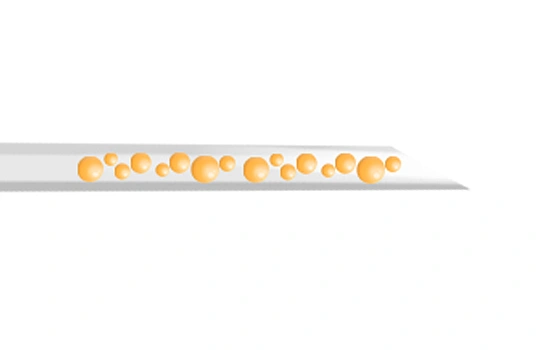
- This method is mainly used for patients who have underwent partial mastectomy, but recently it has also been applied to those who had a full mastectomy.
- It has the advantage of being a simple procedure,
but a single surgery may not be sufficient, and 2–3 additional sessions might be needed.
2
Breast Reconstruction
Using Implants
When the skin is preserved and only the breast tissue is removed, a single reconstruction surgery session using implants can be performed. If the skin, areola, nipple, and breast tissue are all removed, a multi-stage reconstruction (1 to 4 steps) can be applied:
For women with small breasts and a slim body type,
For those who do not wish to use autologous tissue
For those who do not have enough enough tissue in the abdomen or back.
01
Creating the breast mound: Inserting a tissue expander
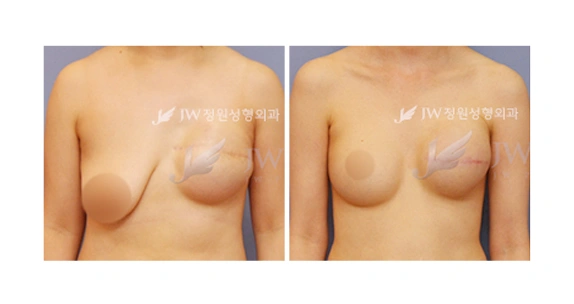
When a large amount of breast skin has been removed,
a tissue expander is positioned under the chest muscle,
and saline is periodically injected to gradually stretch the breast skin.
(This process takes about 2 months.)
02
Creating the breast mound and replacing the expander with an implant
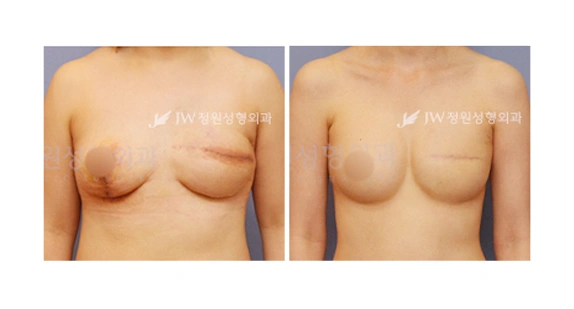
After the final saline injection, a waiting period of 2 to 3 months allows the tissue to expand sufficiently. Then, the expander is replaced with an appropriately sized implant to create the breast shape. At this stage, it is also important to correct the opposite breast if needed to ensure that both sides are balanced in terms of size, shape, and the inframammary fold position.
03
Nipple reconstruction
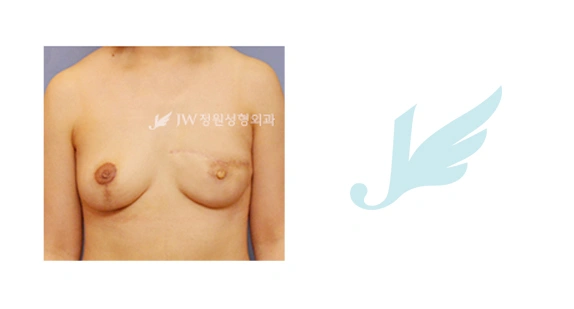
After creating the breast mound using the above method,
the nipple is reconstructed after at least three months.
In the past, a portion of the areola from the opposite breast was grafted or pigmented skin from the groin was grafted.
Recently, a simpler procedure is performed by reshaping the skin in the area to form the nipple.
04
Nipple-Areola Reconstruction and Tattooing
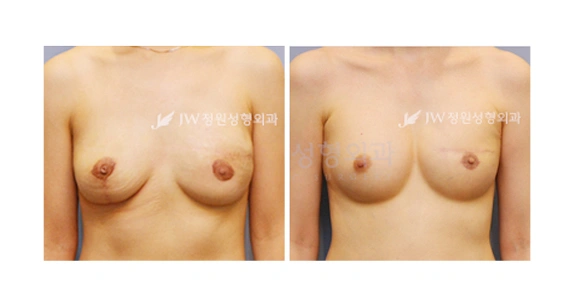
A tattoo is performed around the reconstructed nipple to match the color of the other side, as a result, reconstructing the areola and completing the nipple restoration.

Recovery after surgery
- In the case of breast reconstruction with an implant, patients can usually return to daily activities 2–3 days after surgery.
For autologous tissue reconstruction, recovery takes about one week before resuming to normal life. - Activities such as tennis, swimming, and aerobics which involve more vigorous movement can be resumed four weeks after surgery.
- Surgical scars typically improve significantly by six months,
and postoperative scar care is also provided.
Breast Reconstruction Surgery Q&A
Q
Is breast reconstruction surgery safe?
We prioritize patient safety above all else through thorough preoperative examinations, safe anesthesia, precise surgical procedures, and meticulous postoperative care.
Q
I’m worried about the surgical results.
Each surgery is performed based on an accurate surgical plan tailored to the patient’s individual condition and characteristics.
Director Seul Chul Hwan of JW Plastic Surgery, former professor at Yonsei University College of Medicine and plastic surgeon at Severance Hospital, conducts surgeries using his extensive experience and expertise in breast reconstruction to achieve stable and satisfying outcomes.
Q
Is breast reconstruction surgery really necessary?
With today’s medical advancements, the cure rate for breast cancer is very high, and many patients live healthy, long lives after surgery.
While it is not mandatory to undergo reconstruction surgery after mastectomy,
the loss of a breast, which “symbolizes femininity,” can cause for some emotional distress and loss of confidence.
To live with confidence and happiness, the importance of breast reconstruction has grown and since 2015, it has been covered by national health insurance in Korea.
Q
Can I still get regular breast cancer screenings after reconstruction?
Thanks to advances in diagnostic equipment and technology,
having breast reconstruction does not prevent the detection of cancer recurrence.
Even when implants are used, as they are placed beneath the muscle,
there is no interference with breast cancer examinations.
JW BREAST SURGERY
The Story of Breast Surgery at JW Plastic Surgery
RECOMMEND
JW Plastic Surgery Clinic Recommended by Other Medical Professionals
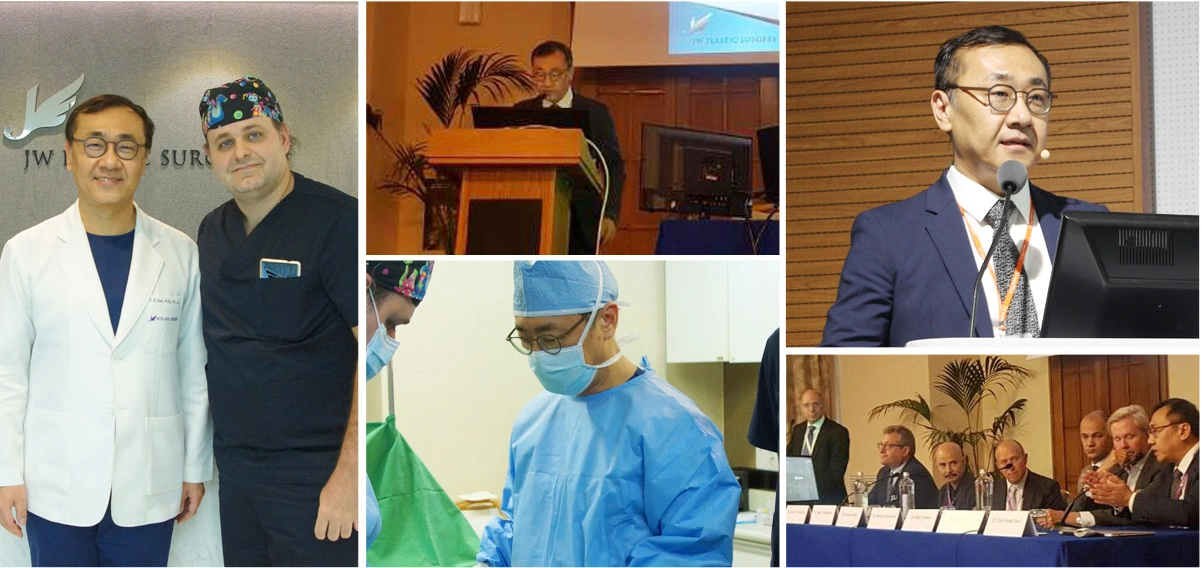
- Over 21 years of experience and expertise
- Continuous research in breast surgery through academic conferences and publications
- Authority in 4K UHD endoscopic breast surgery
- High percentage of revision surgery patients
- 1:1 personalized care system to prevent the need for secondary revision surgeries
ONE-STOP
ONE-STOP Preoperative Breast Surgery Examination
Preoperative tests to check the patient’s overall health condition (blood test, EKG, and chest X-ray) can be conveniently performed in-house without the need to visit an external clinic or hospital.
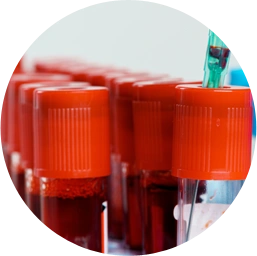
Blood test
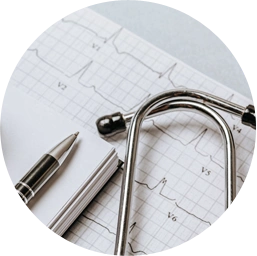
Electrocardiogram (ECG)
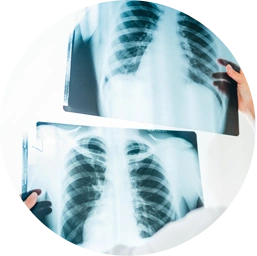
Chest X-ray
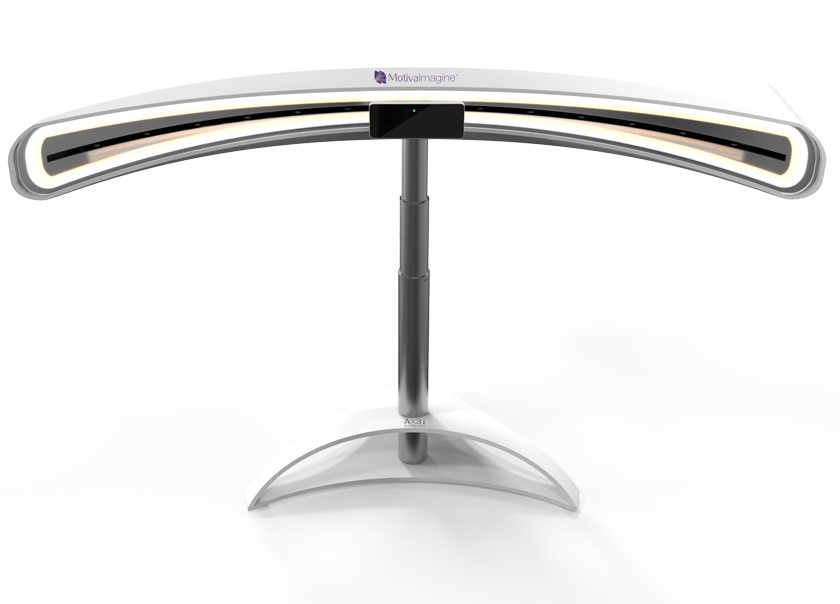

VirtualSimulation
At JW Plastic Surgery, the accurate diagnosis and surgical outcome prediction are possible using a 3D body scanner.
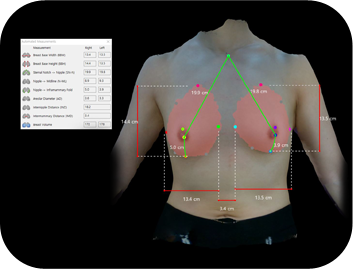
Accurate measurement of body dimensions
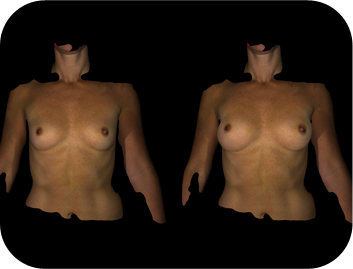
Detailed 3D image analysis for precise surgical planning
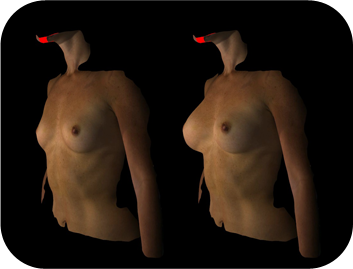
3D image visualization
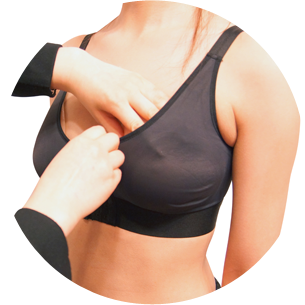
Implant Trial Experience
This program allows you to try on implants of different sizes suited to your body type using specialized fitting garments, so you can experience the expected breast size and shape before surgery.
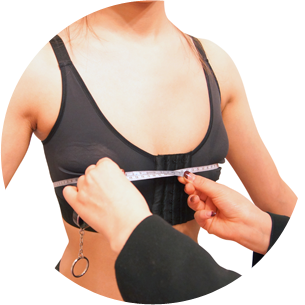
STEP 01
Accurate breast size measurement
STEP 02
Implant fitting

STEP 03
Check breast fit and appearance
SYSTEM
Postoperative Breast Surgery Care System
The operating surgeon personally performs all treatments and monitors every stage of the recovery
Day 1 post-surgery
Checking the bleeding level and perform the first treatment
Day 2~3 post-surgery
Applying waterproof tape to the incision area (Full-body shower is allowed at this stage)
7 Days After Surgery
Removing all tapes, as there are no skin sutures, stitch removal is unnecessary
There is no scarring caused by stitches
3 weeks post-surgery
Scar ointment and whitening cream is prescribed
Every 3 Months
Regular follow-up checks for one year
After 1 Year
The checkups end, but follow-up consultations with your surgeon remain available for life.
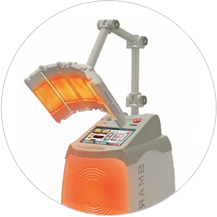
LED Light Therapy
Promotes healthy blood circulation and reduces swelling
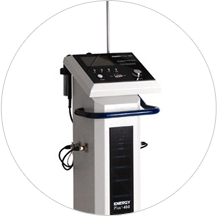
High-Frequency Thermal Therapy
Promotes blood circulation and reduces swelling
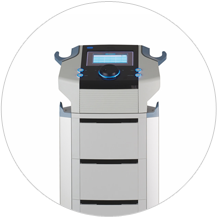
Capsulitis Treatment
Prevents capsular contracture and helps reduce swelling and pain
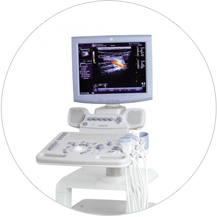
Breast Ultrasound
Implant check
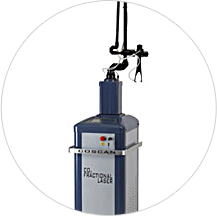
Scar Laser and Injection Treatment
Scar Management
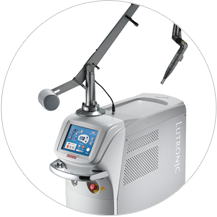
Whitening laser treatment
Laser scar and pigmentation treatment
Prescription of Special Medication
After surgery, if necessary, special medications may be prescribed to achieve a natural breast appearance. These medications are carefully selected based on clinical research and help minimize capsular contracture, even in patients who are prone to developing it due to their body type.
Wearing a Special Surgical Bra
Even if both breasts are made as symmetrical as possible during breast augmentation surgery, the position of the implants may shift over time depending on lifestyle habits or the natural characteristics of the breast tissue.
For example, right-handed people tend to use their right arm and pectoral muscles more frequently, and since the heart is located on the left side, the height and angle of the rib cage differ slightly between sides.
The surgical bra helps maintain proper implant positioning, correcting any imbalance and providing consistent support to prevent displacement.
In addition, after augmentation surgery, the inframammary fold can sometimes appear less defined, creating an unnatural look. The surgical bra helps redefine the fold and expand the lower breast area, enhancing the overall natural appearance of the breasts.
JW Plastic Surgery provides this special surgical bra free of charge,
and during each follow-up visit, the bra is adjusted and customized to fit the patient’s breast shape perfectly.
SAFETY SYSTEM
Surgical Safety Management System
01
Thorough Sterilization and Infection Prevention System
Equipped with an air shower cubicle, sterilization and disinfection equipment, HEPA filters, and a laminar flow air purification system meeting high-risk surgery standards to prevent infection.
02
Minimizing capsular contracture through aseptic clean surgery
Continuous monitoring of the patient’s ECG, blood pressure, pulse, oxygen saturation, carbon dioxide levels, and body temperature throughout the procedure.
03
Real-time patient monitoring system during surgery
Equipped with an uninterrupted power supply and fire-resistant structure throughout the entire hospital building.
04
Emergency Response System
Fully equipped with defibrillators and emergency medical devices for immediate action if needed.
05
Wide Range of Clinically Proven Implants
Carries a variety of FDA- and CE-approved implants (such as Motiva, Mentor, Sebbin, and others), allowing a selection based on each patient’s anatomy and personal preference.
06
In-House board-certified anesthesiologist
Provides continuous care from the start of surgery until full recovery, with advanced safety equipment ready to handle any emergencies, and ensures effective postoperative pain management.
 English
  Chinese
  Russian
  Japanese